Photographing ground feeders is an art unto itself. Robins are difficult because they never sit still, kinda like kids!
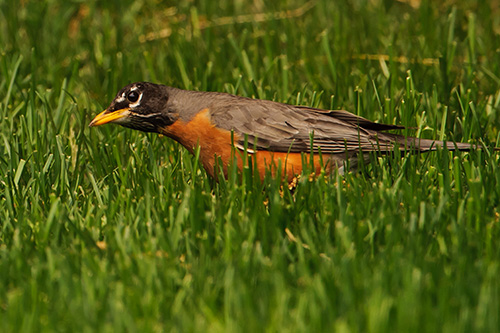
American Robin Eyeing Worms
The bird above was very successful at pulling worms out of our lawn.
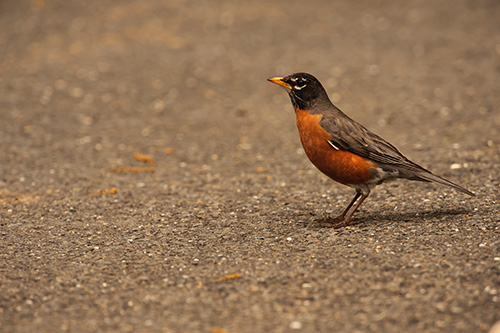
American Robin Profile
I would normally not think about photographing any animal on blacktop but somehow this photo works.
American Robin on Fence
Normally I don’t like butt shots, but enough of the Robin is exposed so you know exactly what you are looking at.
Overall, not much I would call great photography. Flat light and uncooperative subjects but thats why they call it wildlife photography. It wouldn’t be fun if every outing produced salable images! As I have said before, the most important thing is getting out and trying.
While these little beauties were eating me out of house and home, I have found a bird seed that they don’t seem to like, Safflower seed. So at least for now they are hanging around hoping I go back to the old seed! No chance of that as the Crows and squirrels don’t like Safflower seed either. Talking about killing 2 birds with one stone, bad pun I know.
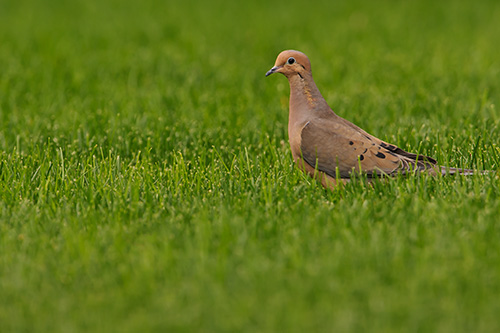
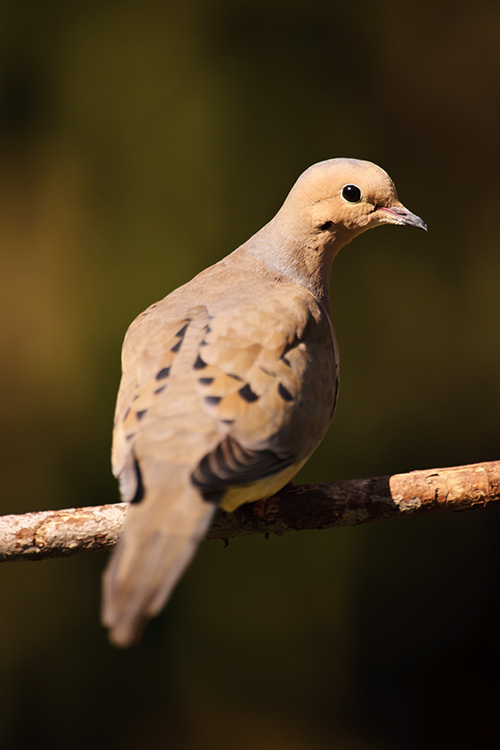
Mourning Dove on the Grass
Mourning Doves are usually ground feeders.
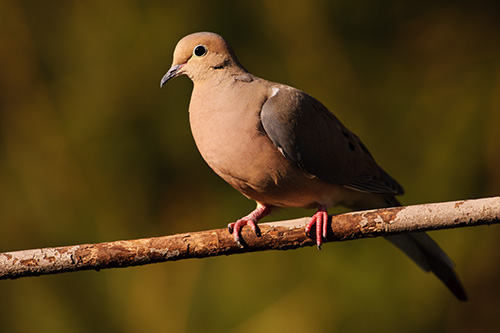
Mourning Dove on PerchMourning Dove Looking Over its Shoulder
This one however, had other ideas!
Images made with Nikon D3x, 600 f/4 VR-II w/TCe 1.4 II on Lexar digital film.
Ok, I have been trying a lot of new setups to get the most of backyard bird photography. You might remember this post (Post Link) I wrote a few months ago about a feeder I was trying as a new piece in my backyard bird photography studio. It is called the Effortless Bird Feeder. I will be the first to attest that it is in fact effortless, for crows, mourning doves and squirrels to eat their hearts content. While at the start I really enjoyed using this new feeder, it just didn’t cut the mustard. I then started playing with home made feeders and perches at the close of the winter and came up with a few designs I like (I will share these in future posts). The problem with my home made designs is that they are only suitable for short engagements. I really wanted something a little more permanent that would not only be a part of my photography but also a part of my love for wildlife and birds.
It was about this same time that I became familiar with a blog entitled The Zen Birdfeeder. This blog is written by a very nice lady named Nancy Castillo (we have only exchanged a few emails about birds and pictures, I have not actually met her). After reading a few of Nancy’s blog posts, I added her blog to my RSS Reader. As time went on I happened to notice that Nancy owned and operated a store in Saratoga Springs (I have family in Saratoga Springs) that is a Wild Birds Unlimited franchise store. I had never heard of the franchise so thanks to Nancy’s blog, I started to look through their product offerings. Much of what they offered seemed to be very good quality, at least from the brochures. And then it hit me. They have a pole system called the APS which stands for Advanced Pole System.
WBU Advanced Pole System with 2 Hanging Feeders
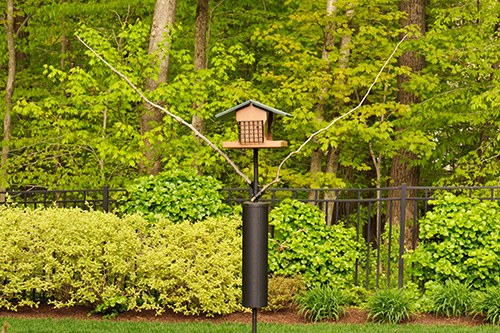
This pole system even had attachments for holding branches as perches. This would be perfect. I went to their website and looked up if there was a local franchise as I wanted to see the product before I purchased it. It ended up there was a franchise in Darien CT owned and operated by 2 very nice people, the husband and wife team of Pat and Joe Warren. After taking up about an hour of Joe’s time, I decided to purchase my first pole system pictured below.
WBU Advanced Pole System with Feeding Ranch on Top
You may have noticed that I said, purchased my first pole system in the previous paragraph. Well, that wasn’t by accident. After just the first week of having the Ranchette, I went back and purchased the double hanging feeder pole which is the first picture on the top of the page. Because of all this I am going to need to get a third pole soon, one that can hold the bird house that my wife is going to put me in. 🙂
As you can see in both pictures, the Warren’s made sure I didn’t leave their shop without the raccoon baffles they sell to keep the squirrels and raccoons from getting to the feeders. So far they have worked like a charm. I think you can see in both images the branch perch attachments that I mentioned earlier in this post. Those little attachments really hold onto the branches well.
You might notice I went to great lengths to introduce everyone in this story, not just my topic. I did that for one reason. The two vocations of wildlife/bird observation and photography have such great people involved that I wanted to give credit where credit was due. If it wasn’t for Nancy’s effort to share information with others, I would never have found WBU and in turn would have never met the Warren’s or found the perfect product for my backyard bird studio!
So I will be posting some images over the coming days and weeks of birds visiting my new backyard bird photography studio. Stay tuned!
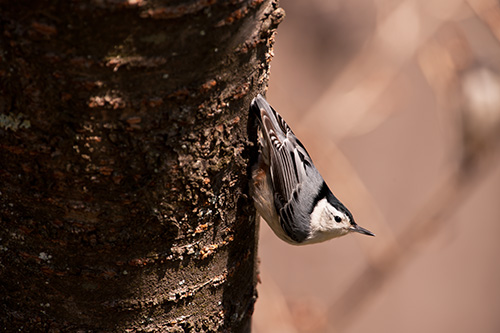
I have to admit, I have a little obsession going on here. Over the years I have photographed White Breasted Nuthatches countless times. I have hundreds of images of this bird but still not “the” shot.
White Breasted Nuthatch After Snow
As I meet more photographers, I think searching for “the” shot is a genetic abnormality. Who else but a photographer could have hundreds of images of the same species, possibly from the same location and still want to photograph the subject more? The reason is simple. The captures I have don’t relay the story I want to tell.
Spring is Coming, White Breasted Nuthatch
Im sure I will receive some email telling me that these images are really good. For that I thank you in advance. 🙂 But over time, I have started looking at my work with far more critical an eye. I realize now that one trait I suffered from when I first started to seriously photograph wildlife was something I have heard described as “Never Again” sickness. In essence, you make images that are less than optimal because you are not sure you will ever again have the opportunity to photograph that subject. But as I have filled out my image library and visited many places I have come to realize that enjoying the experience is more important than capturing the experience.
So how could I have done better with these two images? In the first image the light is too flat. There is not enough drama even though there are great elements in the frame. In the second imageI don’t like the background. The branches in the distance slice the bird like a knife and distract me. As I said before real picky, I know. But this is the way my eye and thinking have evolved. The really difficult task is to stop myself from deleting my earlier work. I think I will avoid that problem (many photographers delete older work) because I learn a lot from going back and reviewing what images I have made in the past. There is usually something I missed and by reviewing the images I will make sure not to repeat the mistake and hopefully get closer to “the” shot.
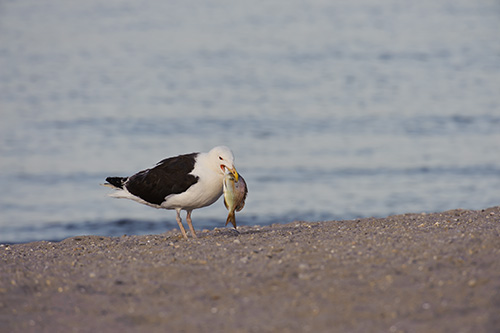
I loved photographing these Herring Gulls at Compo Beach in Westport. Connecticut has some of the most beautiful shoreline in New England. Unfortunately much of it is off limits to none residents, ehhh I mean protected, so it is difficult to photograph even if you are willing to pay. Very sad situation if you ask me. 🙁
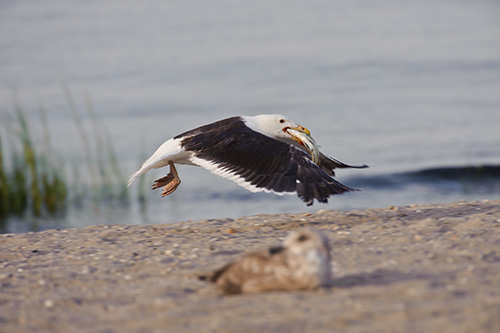
Herring Gull Making a Landing with Fish
This Herring Gull caught its feast a long way off the beach. It was pretty tired when it landed. The bird sat with the catch in front of it for a few minutes before it started to snack on its fresh catch. Some not so tired gulls that happened to be in the neighborhood forced this fellows hand I’m afraid!
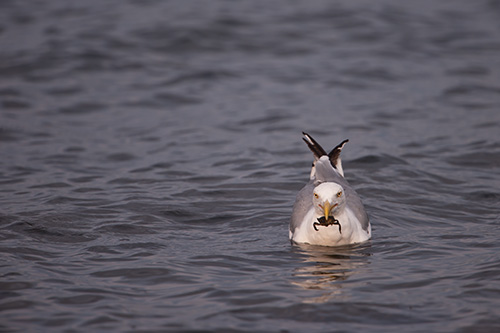
Herring Gull with Crab
Gulls are some of my favorite bird subjects. They are abundant, not too shy and if you watch them long enough, they will do something worth capturing.
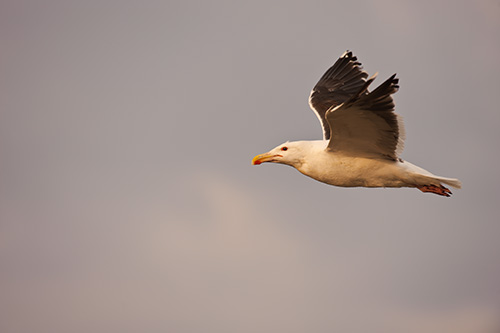
Herring Gull in Flight at Sunrise
If you live in New England it is supposed to be a great weekend, weather wise that is. Get out there and make some images!
Images captured by D3X, 600 f/4 on Lexar UDMA Digital Film
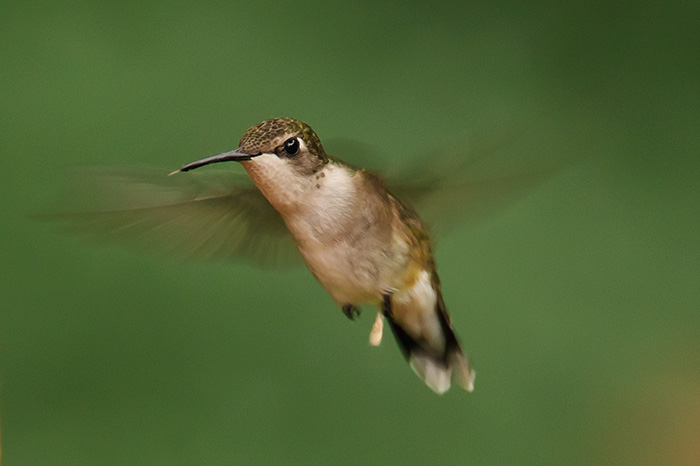
I was photographing this Ruby Throated Hummingbird at a feeder. At the time I was under a tree, using it as camouflage. After spending several minutes at the feeder, the bird landed on a branch right next to me.
Ruby Throated Hummingbird Sticking out Tongue
I knew at the time the image would not be exposed properly because of the back lighting but I took the shot anyway thinking I might create some nice silhouettes.
Ruby Throated Hummingbird Scratching
Well they are not dark enough to be real silhouettes but there is something about the images that I like.
Im curious, what do you think?
I am the first one to admit I don’t like bird images created at the feeder. The feeders are a necessary part of attracting breeding pairs to the property that I have. Same with the bird bath, water like food is a necessary part of keeping a healthy bird community, but those objects don’t belong in my images unless the story I am looking to tell is environmental in nature (no pun intended). 😉
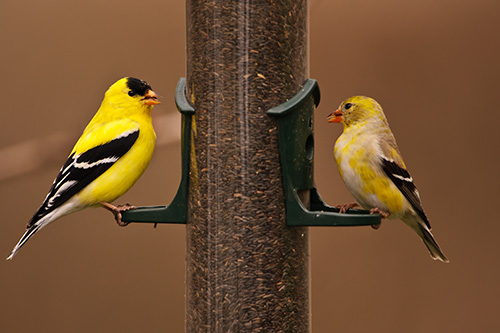
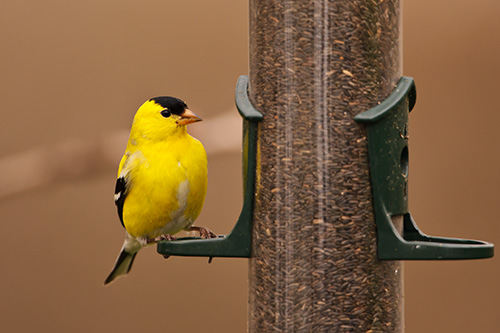
Male Goldfinch in Breeding Plumage at Feeder
So I made an exception here and am showing these American Goldfinches at one of my feeders because…….
I think the effect the light had on the coloring of the birds was great this day. If was very overcast and a little misty. That gave a richness to the landscape. The birds great color did the rest, making the subject pop off the page. Are these award winning images no, but they are good enough to show everyone what a beautiful bird this is.
Images captured by D3X, 600 f/4 w TCe 1.4 II on Lexar UDMA Digital Film
Want to make better bird images? Here are some tips!
1) Birds don’t allow you to sneak up on them. Even if you can move like Fred Astaire you are not nimble enough to get close without them knowing. So the first tip is to let the birds come to you. Find a spot that will afford good backgrounds and park your tush.
2) Don’t try to take any pictures for the first 10 minutes of your arrival at a spot, you will only prolong the amount of time it will take for the birds to acclimate to your presence. Just relax and observe your beautiful surroundings.
3) No straps! Whenever I photograph wildlife all the straps come off my cameras and binoculars. Swinging straps frighten wildlife and resemble talons of predators.
4) Wear dark colors and make sure none of your clothes have anything hanging (see item 3 above).
5) Don’t make sudden moves. Even if you keep your feet still, moving the camera on a tripod in sudden moves will spook your subjects. Birds are incredibly smart. They know you are tracking them with a lens. Don’t believe me? Go to the beach and track a gull with any lens you can hand hold. They will change directions in 90 degree turns to avoid you tracking them!
6) Put your cell phone on vibrate.
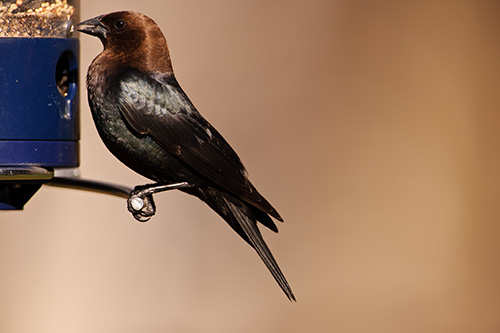
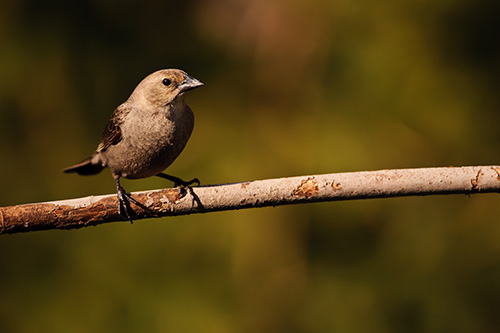
Female Brown Headed Cowbird on Perch
Now I know some of you are saying I used big, heavy, expensive glass to make these images and the answer would be you are correct. Both of the above images were made with birds only 12-18 feet away from me. If I didn’t adhere to the above principles, I would not have subjects as close as the ones I photographed. Neither of the above images are cropped!
I hope these tips help you make better images and get more out of the hobby of birding!
Images captured by D3X, 600 f/4 VRII w/TCe 1.4 II on Lexar UDMA digital film